

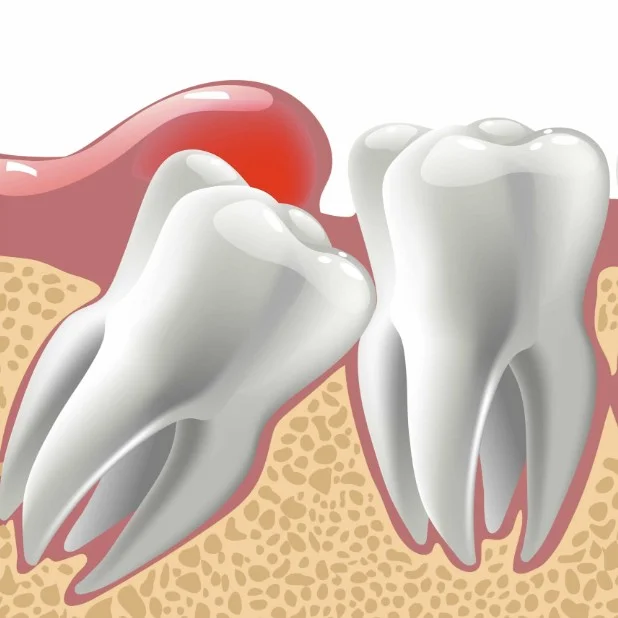
Management and Extraction of Impacted Wisdom Teeth
Approaches to the Management and Extraction of Impacted Wisdom Teeth
Dentists strive to preserve teeth in the mouth whenever possible by treating them, except in cases of symptomatic wisdom teeth, and avoid unnecessary extractions. However, asymptomatic wisdom teeth are an exception to this approach. Studies have shown that the rate of extraction for asymptomatic wisdom teeth ranges between 18% and 50%. The high rate of prophylactic surgical removal of wisdom teeth is primarily aimed at preventing potential future complaints and avoiding surgical difficulties in older patients.
Post-extraction complications of wisdom teeth, such as pain, swelling, bleeding, gum damage, soft tissue injuries, temporomandibular joint damage, jaw fractures, alveolitis, oroantral communication, trismus, and nerve damage, prompt dentists to carefully consider their decisions before opting for surgical intervention. This is also why different dentists may reach varying conclusions when evaluating the same case.
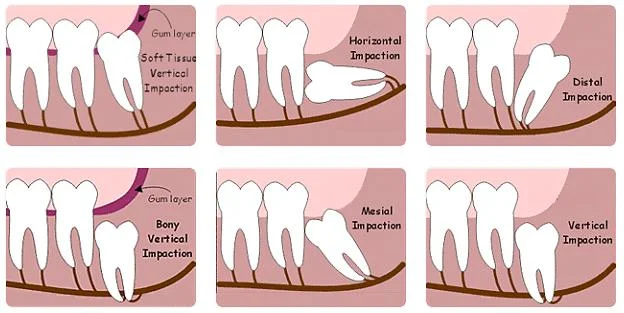
Commonly accepted indications for the extraction of impacted wisdom teeth include:
- Recurrent pericoronitis
- Caries that cannot be restored
- Advanced periodontitis
- Chronic facial pain
- Prosthetic reasons
- Pathological changes
- Caries or resorption in the second molar
- Orthodontic reasons
- Reduction of mandibular fracture risk
However, the complications listed above should be evaluated individually for each patient following the extraction of wisdom teeth. A risk-benefit analysis should be conducted to determine whether the tooth should be extracted or retained.
Current protocols for the removal of impacted wisdom teeth are not well-aligned with evidence-based dentistry. When deciding whether to extract or retain a wisdom tooth, dentists should consider the patient’s individual needs and avoid adhering to generalized treatment protocols.
Unwarranted extractions should be avoided, and the surgical treatment of impacted wisdom teeth should only be performed in cases of clear indications and where long-term benefits for the patient are evident.